
War in the Middle East Shakes Markets: What the Iran Conflict Means for KiwiSaver
Global Markets React to Rising Geopolitical Risk
Global financial markets have become increasingly volatile as the conflict involving Iran escalates. Military strikes, disruptions to shipping routes, and threats to energy infrastructure have triggered sharp movements in oil, equities, and currencies.
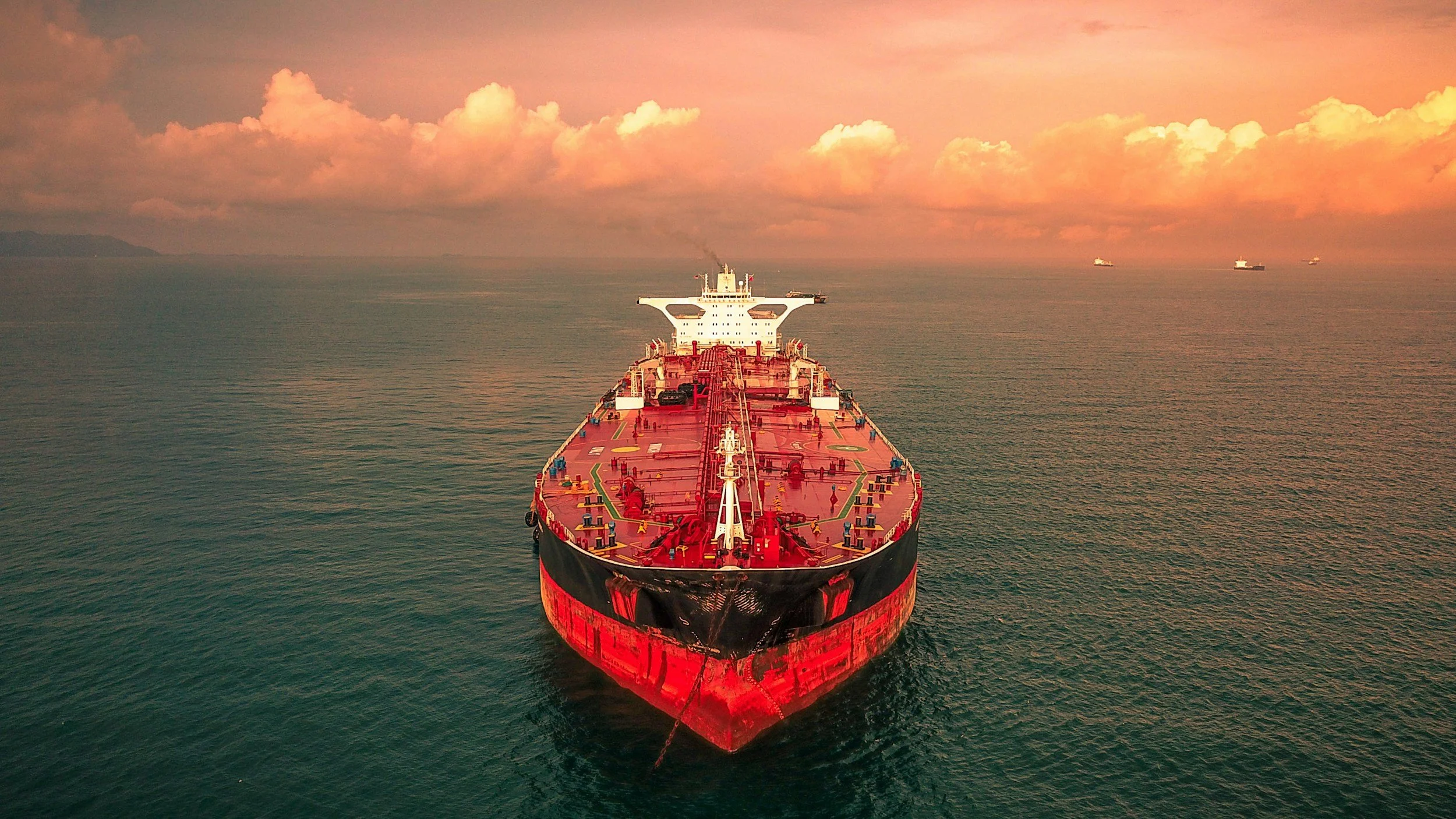
The biggest concern for investors is energy supply disruption. Around 20% of the world’s oil supply passes through the Strait of Hormuz, making the region critically important to global energy markets.
Since the conflict began:
Oil prices have surged from around US$60 to over US$100 per barrel, with some forecasts suggesting prices could reach US$150 if supply disruptions worsen.
Global equity markets have experienced increased volatility as investors reassess economic growth and inflation risks.
Analysts warn that a prolonged conflict could cause significant financial market turbulence and higher interest rates.
These developments have made geopolitical risk the dominant driver of markets in recent weeks.
Why Oil Prices Matter for Markets
Oil is often the first asset to react during Middle East conflicts.
When supply risks increase, energy prices rise quickly, which then flows through the global economy by increasing:
Transport costs
Manufacturing costs
Consumer inflation
Higher inflation can also push central banks to keep interest rates higher for longer, which typically puts pressure on share markets and economic growth.
Short-Term Volatility Is Showing Up in Markets
The initial reaction to the conflict has been mixed.
Some markets have fallen sharply following major escalations, while others have stabilised as investors assess the likelihood of a prolonged war.
This has created sharp day-to-day swings across global markets, particularly in:
Energy stocks
Airline and transport companies
Technology and growth stocks
Commodity-linked currencies
Volatility is expected to remain elevated while the geopolitical situation remains uncertain.
KiwiSaver Insight
For KiwiSaver investors, the key takeaway is that short-term volatility is normal during geopolitical events.
Most diversified KiwiSaver funds invest across:
global shares
bonds
infrastructure
commodities
Because of this diversification, the impact of any single geopolitical event is usually temporary rather than permanent.
Historically, markets tend to recover once uncertainty begins to fade, even after major geopolitical shocks.
The most important factor for KiwiSaver outcomes remains long-term investment timeframes, rather than reacting to short-term market headlines.
What Investors Are Watching Next
Markets will be closely monitoring several developments:
Whether the conflict expands further across the Middle East
Any disruption to oil exports or shipping routes
Inflation expectations and central bank responses
Corporate earnings and economic growth forecasts
If oil prices remain elevated for a prolonged period, the impact could extend beyond financial markets into global inflation and interest rates.
Disclaimer
This article is for general information only and does not constitute personalised financial advice. KiwiSaver investments can go up or down in value and past performance is not a reliable indicator of future performance. If you are unsure about your investment strategy, get in touch.